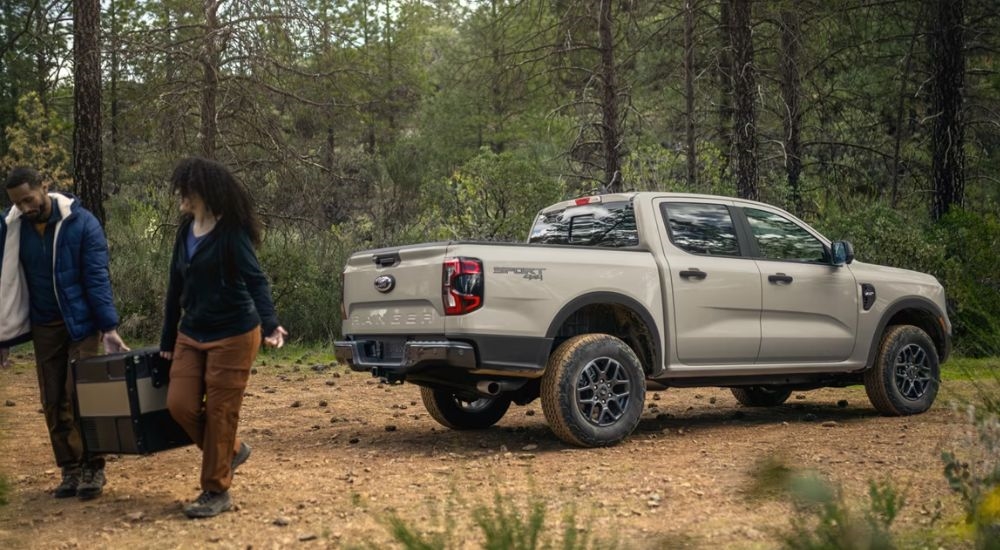
For years, full-size pickup trucks dominated the market because bigger was often associated with more capability and durability. Buyers figured that to get the most towing strength, off-road confidence, and everyday utility, they needed a massive rig sitting in the driveway. The 2026 Ford Ranger is challenging that notion. midsize pickups like the Ranger deliver far more capability than earlier versions, while avoiding many of the downsides of full-size truck ownership. Best of all, when you choose a midsize pickup, you'll avoid the sticker shock.
Trucks like the Ranger can tow serious weight and handle demanding jobs because they have configurable beds and more powerful engines and drivetrains. If your daily lifestyle includes hauling gear or towing the family boat or RV, a midsize pickup may be a better choice. Midsize pickups represent the sweet spot of the pickup truck landscape. Compact trucks tend to emphasize daily on-the-road driving dynamics and typically don't have the capability for tougher jobs. Full-size versions are costly and can feel oversized for commuting and typical daily driving.
How the Truck Market Has Evolved
Pickup trucks have changed dramatically over the last two decades, especially those in the midsize category. Modern midsize pickups now offer luxury-level interiors, massive infotainment screens, and advanced towing technology that rival those of their full-size counterparts. At the same time, full-size trucks have become physically larger, heavier, and substantially more expensive, making them out of reach for many buyers.
A base model full-size pickup costs about the same as a well-equipped midsize version, but how much capability is actually lost? Trucks like the 2026 Ford Ranger deliver enough towing and hauling capability and passenger space for real-world utility while avoiding many of the compromises that come with full-size ownership. The Ranger offers a configurable bed and several cab styles for different uses. Add to that a plethora of advanced technologies, including driver-assist safety systems, smart towing technology, and in-cabin amenities, and trucks like the Ranger achieve both daily driving practicality and pickup truck capability without the six-figure price tag.
The Evolution of the Modern Pickup
According to Kelley Blue Book, modern pickup trucks have evolved far beyond their original role as basic work vehicles. Full-size models now prioritize heavy-duty towing capacities, larger cabins, and expanded luxury features, which have increased both their physical size and price tag. That growth becomes obvious in daily use. Crew cab full-size trucks can stretch beyond 230 inches in length, making parking garages, city streets, and suburban garages difficult to navigate. Wheel and tire packages have also changed, adding to both ride height and overall footprint.
The 2026 Ranger avoids these size and handling challenges while still maintaining typical truck proportions. Its smaller dimensions create advantages for parking, turning radius, and simply fitting in your garage without eliminating the cargo bed or rear-seat space buyers want. Older midsize trucks forced buyers to compromise on power, towing, and cabin space. That gap has narrowed significantly as manufacturers invest more in the midsize segment to meet demand and give buyers an off-ramp from crazy-high price tags.
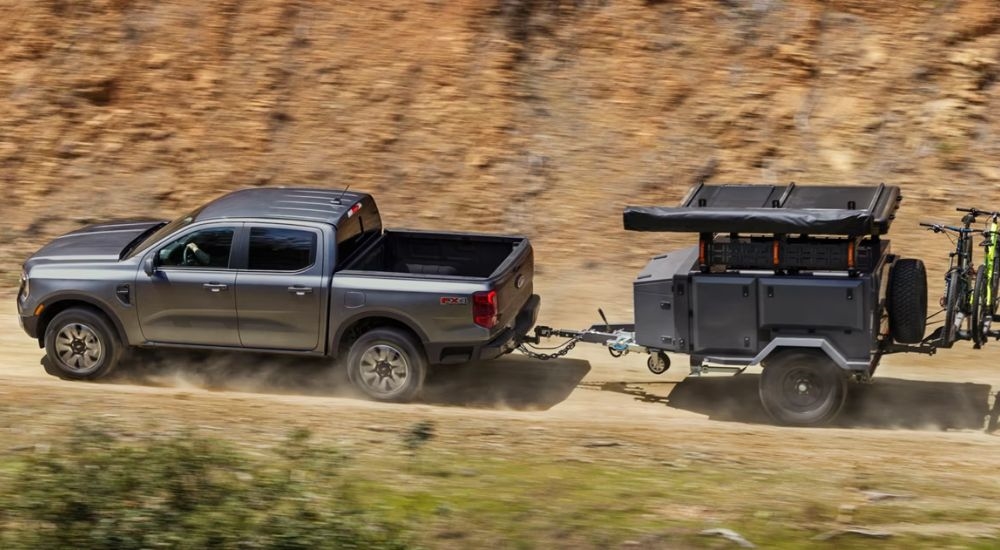
The 2026 Ford Ranger comes with a turbocharged EcoBoost engine lineup that delivers significantly more output than many older V6-powered versions. Available towing capacity sits at a respectable 7,500 lbs, with a maximum payload capacity of 1,767 lbs. That's enough for hauling materials to the jobsite and towing a boat.
As for performance, the top-of-the-line Ranger Raptor comes equipped with a 3.0L EcoBoost V6 engine that delivers 405 hp and 430 lb-ft of torque for incredible low-speed torque. Mid-range trims come standard with a 2.7L EcoBoost V6 that achieves 400 lb-ft of torque. That capability matters because most truck owners don't need excessive towing capability for heavier loads. Buying a mid-range pickup is perfect for owners who use their trucks for commuting, home improvement projects, outdoor activities, and light utility work.
The Ranger Fits Today's Truck Owners
Modern truck ownership extends well beyond the job site. Pickup trucks are now daily drivers for many folks, so the distinction between capability and key considerations like fuel economy and comfort is much blurrier. The Ranger's dimensions support broader usage more effectively than a full-size pickup. A shorter wheelbase improves maneuverability, while the narrower body width simplifies highway driving and parking.
The benefits of buying a midsize truck include easier parking in garages and apartment complexes, better maneuverability in city traffic, reduced difficulty navigating narrow trails, a more manageable size overall for daily commuting, and improved fuel economy. Compact trucks can address some of these issues as well, but they often sacrifice bed length, rear-seat space, or towing capacity. The 2026 Ranger preserves traditional truck utility without adding unnecessary bulk.
Its turbocharged powertrain, available advanced towing systems, and off-road capability combine with practical dimensions to sufficiently handle most pickup-dependent tasks. At the same time, midsize trucks like the 2026 Ranger avoid excessive sticker prices and size-related compromises that come with a full-size version.
Modern Midsize Trucks Deliver Advanced Technology
The Ranger also benefits from the same technology shift that transformed the full-size truck marketplace. Ford equips the 2026 Ranger with towing assistance systems, large digital displays, and smartphone integration features throughout the lineup.
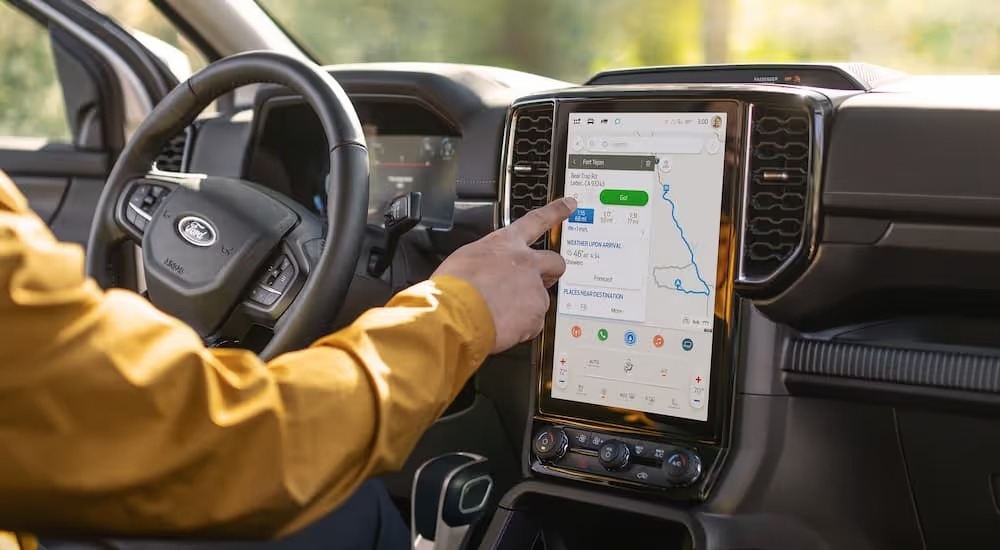
Available Ranger technology includes: Pro Trailer Backup Assist, a 360-degree camera system, off-road drive modes, wireless smartphone connectivity, digital instrument displays, a large infotainment touchscreen, advanced towing technology, and Ford Co-Pilot360 safety systems. These directly improve the Ranger's daily usability and enhance the in-cabin environment with multiple convenience features that will appeal to commuters. Also beneficial is Ford's decision to include many technology features in the base XL trim, including a 10-inch infotainment touchscreen.
Moving up to the mid-range Lariat adds dual-zone automatic climate control, an upgraded 10-speaker Bang & Olufsen audio system, and a larger 12-inch screen. Choosing the FX4 Off-Road Package adds a layer of trail-friendly components, including selectable drive modes and the Trail Control system that manages throttle and braking when traveling over uneven terrain.
The Midsize Truck Market is More Popular Than Ever
Compact pickups prioritize efficiency and driving comfort, but many use unibody construction and have lower towing capacities, limiting traditional truck capability. Full-size trucks, on the other hand, maximize towing and cabin volume, but their dimensions can be ungainly for daily driving. The 2026 Ford Ranger occupies a balanced segment that combines the best of both options. Its body-on-frame construction preserves traditional pickup durability and utility. Cabin space is usable for adult passengers, while the bed length is sufficient for your toys and construction materials. This balance explains why the midsize segment continues expanding. Buyers increasingly want a pickup capable of handling real truck tasks without the excessive weight and cost of full-size ownership.
The Ranger also benefits from Ford's EcoBoost engine efficiency. Turbocharged output delivers strong torque when you need it, without the displacement required by older truck engines. Further, the EcoBoost's turbocharged technology combines with the Ranger's smaller footprint and lighter weight to deliver better fuel economy, a big benefit that cost-conscious buyers will notice. For buyers who tow moderate loads and use their truck for daily errands and commuting, the Ranger makes practical sense without requiring significant capability compromises.